
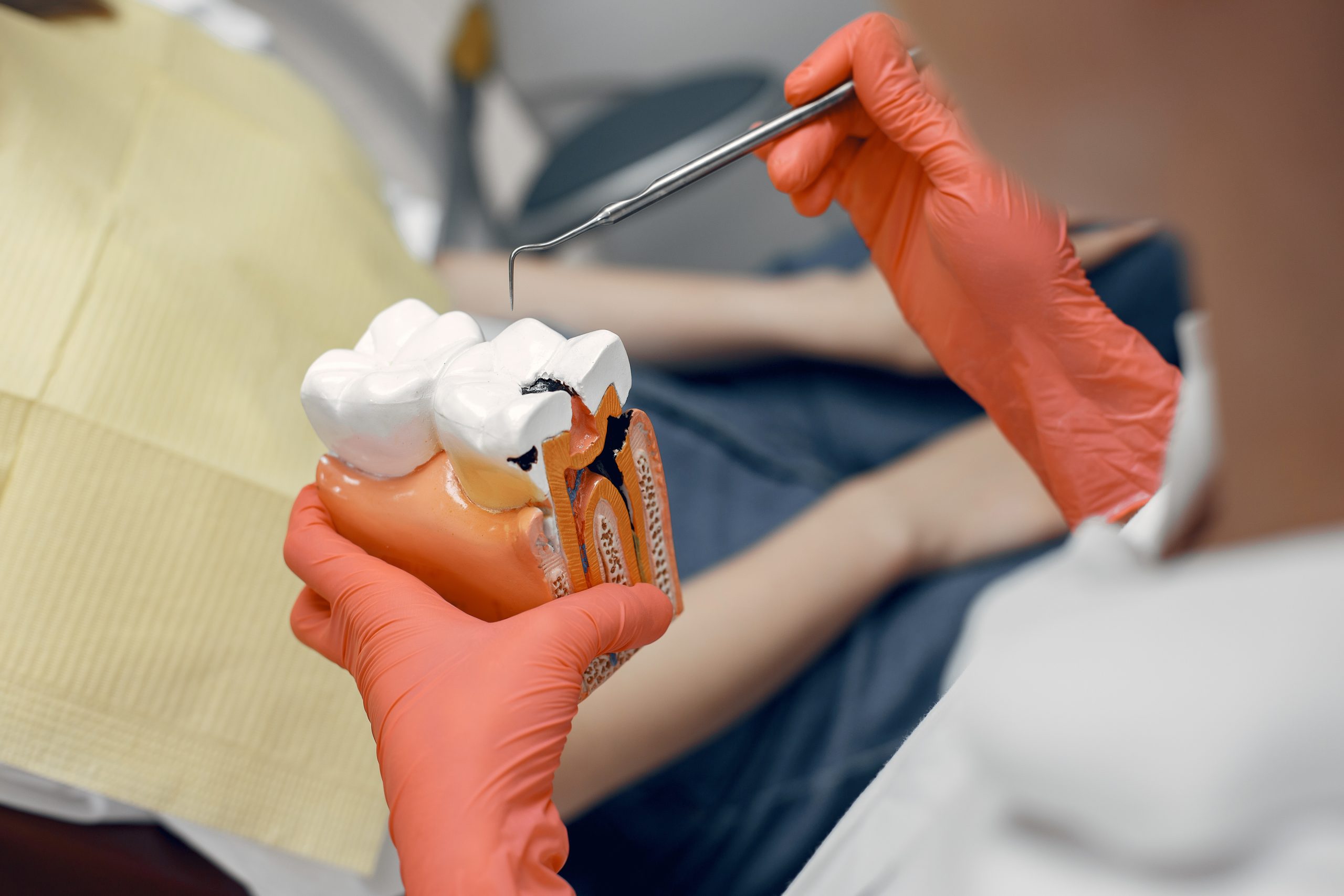
A toothache can affect your sleep, eating, and mood. Sometimes, pain comes and goes. Other times, it lingers. If you’ve tried ignoring it, you might notice swelling, sensitivity, or even a dark spot on the tooth. These are signs your tooth could be infected inside.
This is where root canal treatment helps. It removes the infection, stops the pain, and keeps your natural tooth intact. Unlike pulling the tooth, it saves your smile and function.
By understanding how it works and what to expect, you’ll feel calm and confident before your visit.
What Is Root Canal Treatment?
Inside every tooth is soft tissue called pulp. This pulp contains nerves and blood vessels that keep your tooth alive.
When bacteria enter the pulp, often due to deep cavities, cracks, or trauma, it can cause infection. Left untreated, the infection can:
- Spread to the surrounding teeth or jawbone
- Causes severe pain or abscesses
- Make chewing difficult
Root canal treatment removes the infected pulp, cleans the canals inside the tooth, and seals it. The tooth is then restored with a filling or crown to protect it.
This means your tooth works like normal again, but without the infection and pain.
How Do I Know If I Need This Procedure?
Your tooth usually gives clear warning signs. Here’s what to watch for:
- Persistent tooth pain: Pain that stays or comes back frequently, even at night.
- Sensitivity to hot or cold that lingers: A sip of hot tea or cold water triggers lingering pain.
- Swollen or tender gums: The gum near the tooth may feel sore, red, or puffy.
- A darkened tooth: The tooth looks gray or darker than your other teeth, showing the pulp is damaged.
- Pain when chewing or biting: Pressure hurts or makes the tooth feel “loose.”
Even if only one of these signs appears, it’s worth visiting your dentist. Early treatment prevents more complicated procedures later.
How Should I Prepare for Root Canal Treatment?
Preparation is simple, but a few steps help:
- Eat before your appointment: You may not want to chew immediately after.
- Take your medications: Unless your dentist advises otherwise.
- Inform your dentist about medical conditions: Such as diabetes, heart conditions, or allergies.
- Relax: Root canal treatment is safe and usually faster than expected.
No special equipment or fasting is needed. The dentist guides you every step.
Does Root Canal Treatment Hurt?
Many people worry about pain, but modern root canal treatment is usually painless.
- During the procedure: The dentist numbs the area with local anesthesia. You feel pressure but no sharp pain.
- After the procedure: Mild soreness or tenderness is normal for a few days. Over-the-counter painkillers help if needed.
The pain from the infection is worse than the treatment itself. Root canal treatment removes the infection and brings relief almost immediately.
How Is Root Canal Treatment Done?
Here’s a detailed, step-by-step guide:
- Numbing the tooth: Local anesthesia ensures comfort.
- Accessing the pulp: A small opening is made on the tooth’s surface.
- Removing infected tissue: All infected pulp is carefully cleaned from inside the tooth.
- Shaping and disinfecting canals: Tiny tools shape the canals and disinfect them.
- Filling the tooth: The cleaned canals are sealed to prevent bacteria from returning.
- Restoring the tooth: A crown or filling protects the tooth and restores normal chewing function.
The whole process focuses on removing infection, stopping pain, and saving your natural tooth.
What Happens After Root Canal Treatment?
After treatment, your tooth may feel slightly tender for a few days. This is normal and part of the healing process.
Tips for a smooth recovery:
- Avoid chewing hard foods on that side for a few days.
- Take prescribed pain relief if needed.
- Brush gently around the treated tooth.
- Drink water and eat soft foods like rice, yogurt, and eggs.
Most people forget which tooth was treated after a short time. That’s a good sign of success.
What Are the Benefits of Root Canal Treatment?
Root canal treatment offers several long-term advantages:
- Removes infection: Bacteria are completely cleaned out.
- Prevents spread: Infection won’t reach other teeth or your jawbone.
- Saves your natural tooth: Natural teeth are strong, functional, and last longer than implants if preserved.
- Stops pain: The tooth goes from constant discomfort to normal function.
In short, it restores health, comfort, and your smile.
What Are the Risks?
Root canal treatment is safe and effective, and risks are rare. These may include:
- Re-treatment: If bacteria remain, another root canal may be needed.
- Tooth extraction: If the tooth cannot be saved, a dental implant or bridge may be considered.
Routine checkups after treatment minimize risks and ensure long-lasting results.
How Long Does Root Canal Recovery Take?
Most people recover quickly:
- Mild tenderness: a few days
- Complete healing: 1–2 weeks
- Severe pain or swelling: contact your dentist immediately
Following care instructions ensures the fastest and safest recovery.
How Can I Support Healing After a Root Canal?
You play a big role in healing. Here’s what helps:
- Avoid smoking: Smoking slows healing and can cause infection.
- Brush and floss carefully: Keep bacteria away from the treated tooth.
- Avoid chewing hard foods: Protect the tooth while it settles.
- Eat soft foods: Foods like yogurt, eggs, and soup help comfort your tooth.
- Follow-up appointments: Your dentist checks the healing and places a crown if needed.
Small habits make a big difference in recovery and long-term tooth health.
Book Your Dental Consultation
Tooth pain doesn’t go away by itself. Waiting can make the problem worse.
At Zakaria Dental Clinic, we provide gentle, professional root canal treatment using modern tools and techniques. We focus on stopping pain, removing infection, and saving your natural tooth.
Does a root canal treatment remove my tooth roots?
No. A root canal treatment does not remove the tooth roots.
It only removes the infected or damaged pulp (nerve) inside the tooth and roots, while the tooth structure remains in place.
What happens when you get a root canal?
The tooth is numbed, cleaned from infection, sealed, and protected with a filling or crown.
Is it worth getting a root canal?
Yes. It saves your natural tooth and prevents extraction.
What is the best medicine for root canal pain?
Ibuprofen or paracetamol. Antibiotics only if prescribed.